Cuenca is my hometown. I grew up here, I walked the historic center as a teenager without giving it much thought, and years later I came back with Karyna to show it to her at a relaxed pace. If you're planning the trip, the good news is that Cuenca doesn't need a thousand plans: it's a city to get lost in on foot, stop to eat on any corner, and let the hours slip by without checking the clock.
Here are the 8 things you simply can't leave Cuenca without doing. This isn't a generic guidebook list: it's the one I'd give any friend who asked me, "I'm going to Cuenca, what should I see?".
📋 What you'll find in this post
Parque Calderón and the two cathedrals
Plaza de las Flores, Santa Ana Street and the Carmen Convent
El Barranco and the Broken Bridge
Turi Viewpoint
Pumapungo Museum
Traditional food in Cuenca
Homero Ortega Hat Factory
Cajas National Park
Pedro's tips
Frequently asked questions
1. Parque Calderón and the two cathedrals
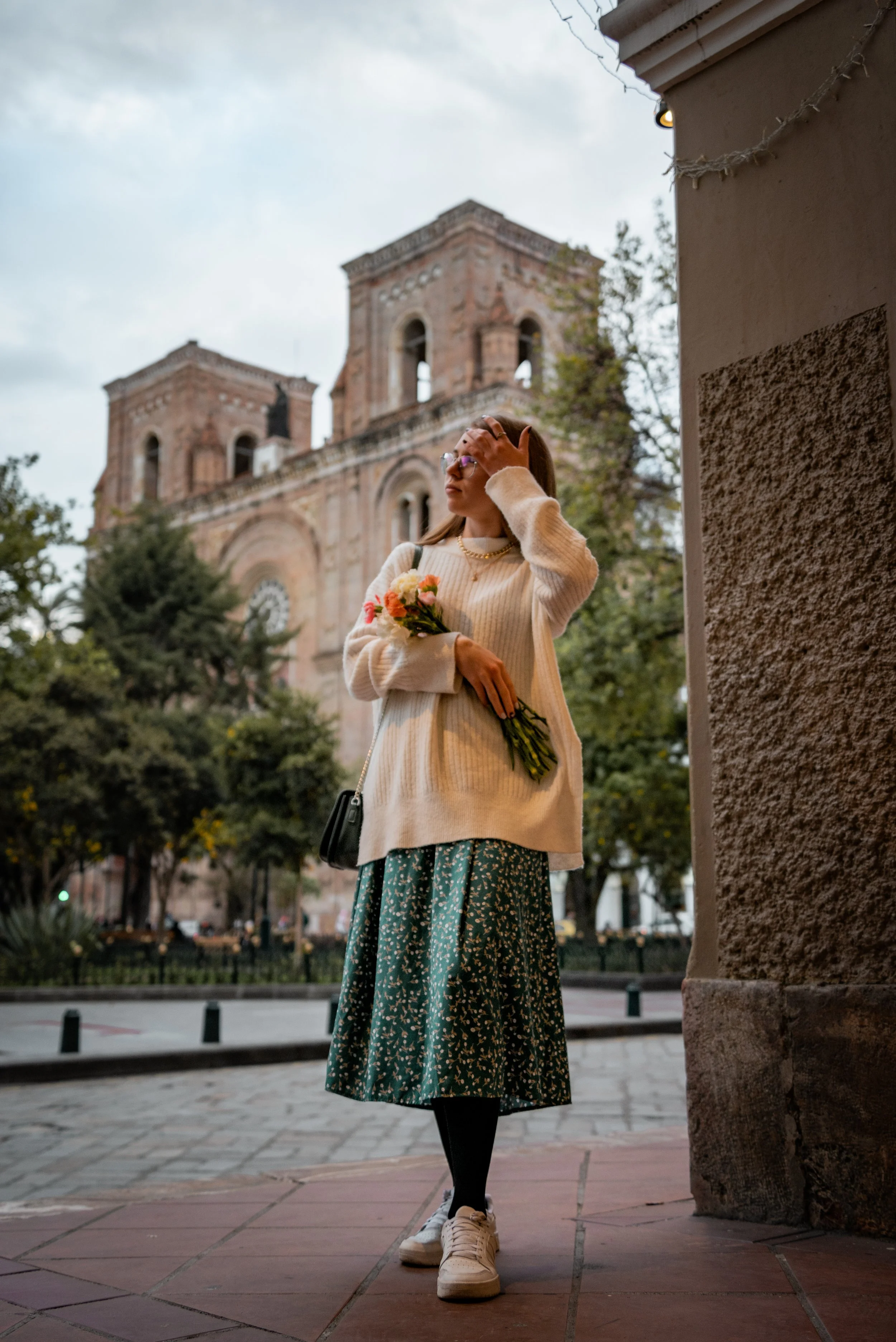
We always start here, because everything in Cuenca revolves around this park. On one side is the New Cathedral (or Cathedral of the Immaculate Conception), with those blue domes that can be seen from much of the historic center and that are the image most often shown when people search for photos of Cuenca. You can climb up to the domes for a couple of dollars, and from up there you quickly understand why this city is called the Athens of Ecuador (the nickname Cuencanos love most).
Right next door is the Old Cathedral, or Iglesia de El Sagrario, much smaller and simpler, and today converted into a religious art museum. The contrast between the two, side by side, is one of the city's most classic postcard views.
No need to book anything. It's an area to walk around at a leisurely pace, sit in the park for a while, and watch Cuenca life go by on a Saturday morning.
2. Plaza de las Flores, Santa Ana Street and the Carmen Convent
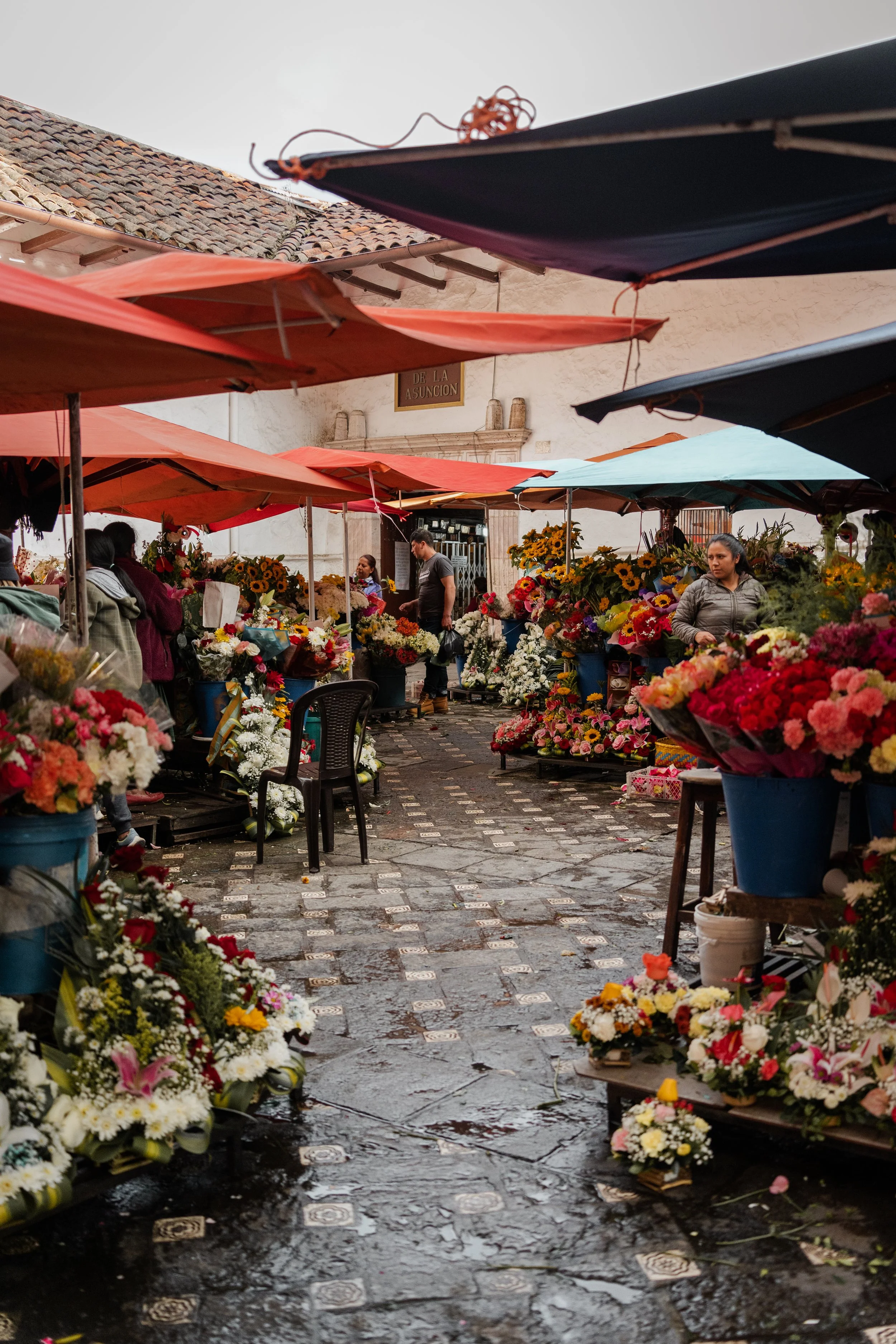
A couple of blocks from Parque Calderón is Plaza de las Flores, always full of stalls selling real flowers (hence the name, no mystery there). Right there, in the same building as the flower market, is the Convent of Our Lady of the Assumption of Carmen, a cloistered convent where the nuns sell jams, medicinal herbs and homemade products through a rotating turntable, without you ever seeing their faces. It's one of those things that sounds strange until you see it in person, and that Karyna still talks about whenever someone asks her about Cuenca.
From there, a short walk along Santa Ana Street, cobbled and lined with colonial façades, brings you back toward the center. It's the classic street for photos without much fuss over framing, because it looks good from any angle.
3. El Barranco and the Broken Bridge
El Barranco is the area where the historic center drops down toward the Tomebamba River, with the backs of the houses peeking over the slope. Strolling there, especially along Calle Larga, is free and one of the most beautiful spots in the city, with street art and murals that have appeared over the years.
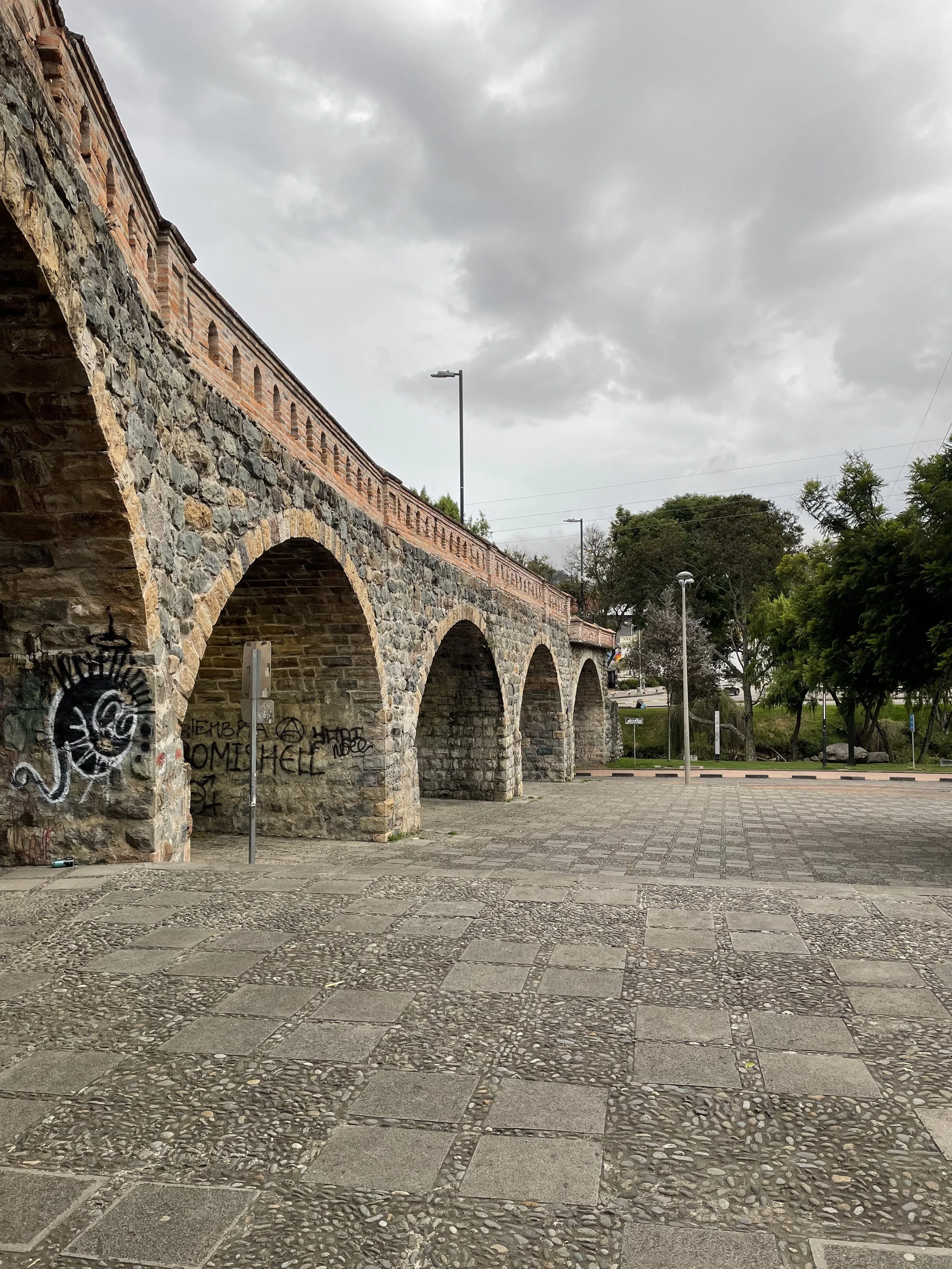
Stop at the Puente Roto (Broken Bridge). The name isn't a coincidence: in 1950, a flood of the Tomebamba River destroyed part of the bridge, and instead of rebuilding it entirely, it was left as it was, becoming part of the landscape. Today it's an improvised lookout over the river and a meeting point for street artists in the afternoons.
4. Turi Viewpoint
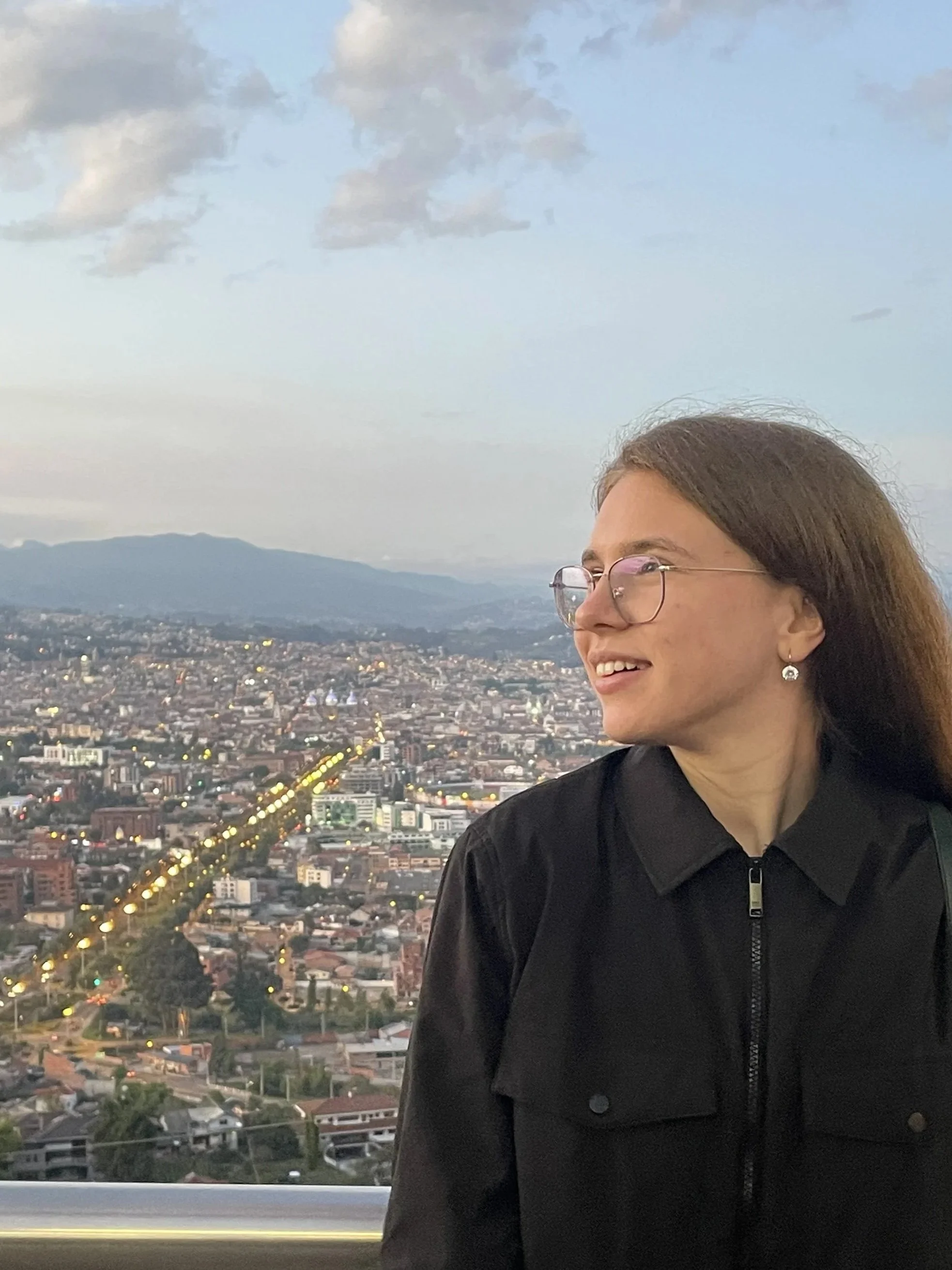
If you only have time for one panoramic view of Cuenca, make it this one. Mirador de Turi is on the outskirts, about 15–20 minutes by taxi or bus from the center, and from there you can see the entire city with the blue domes of the New Cathedral standing out above the rooftops.
Go in the mid-afternoon, before the sun goes down. There's a small church next to the viewpoint and several stalls where you can grab something to drink while you wait for sunset, which in Cuenca, because of the altitude, comes faster than you'd expect.
5. Pumapungo Museum
For me, it's a must-visit if you really want to understand why this city mattered so much before Spain even existed on the map. The site was called Tomebamba and was the second most important administrative and religious center of the Inca Empire, after Cusco.
Entry is free and the museum has several parts: the Inca ruins in the open air, an ethnographic section on Ecuador's Indigenous peoples (with a strong focus on Amazonian communities), an ethnobotanical garden with more than 230 Andean species, and a bird rescue center where you can see up close species that are not easy to spot in the wild. It's one of the few museums where you can spend more than 2 hours without noticing.
6. Traditional food in Cuenca
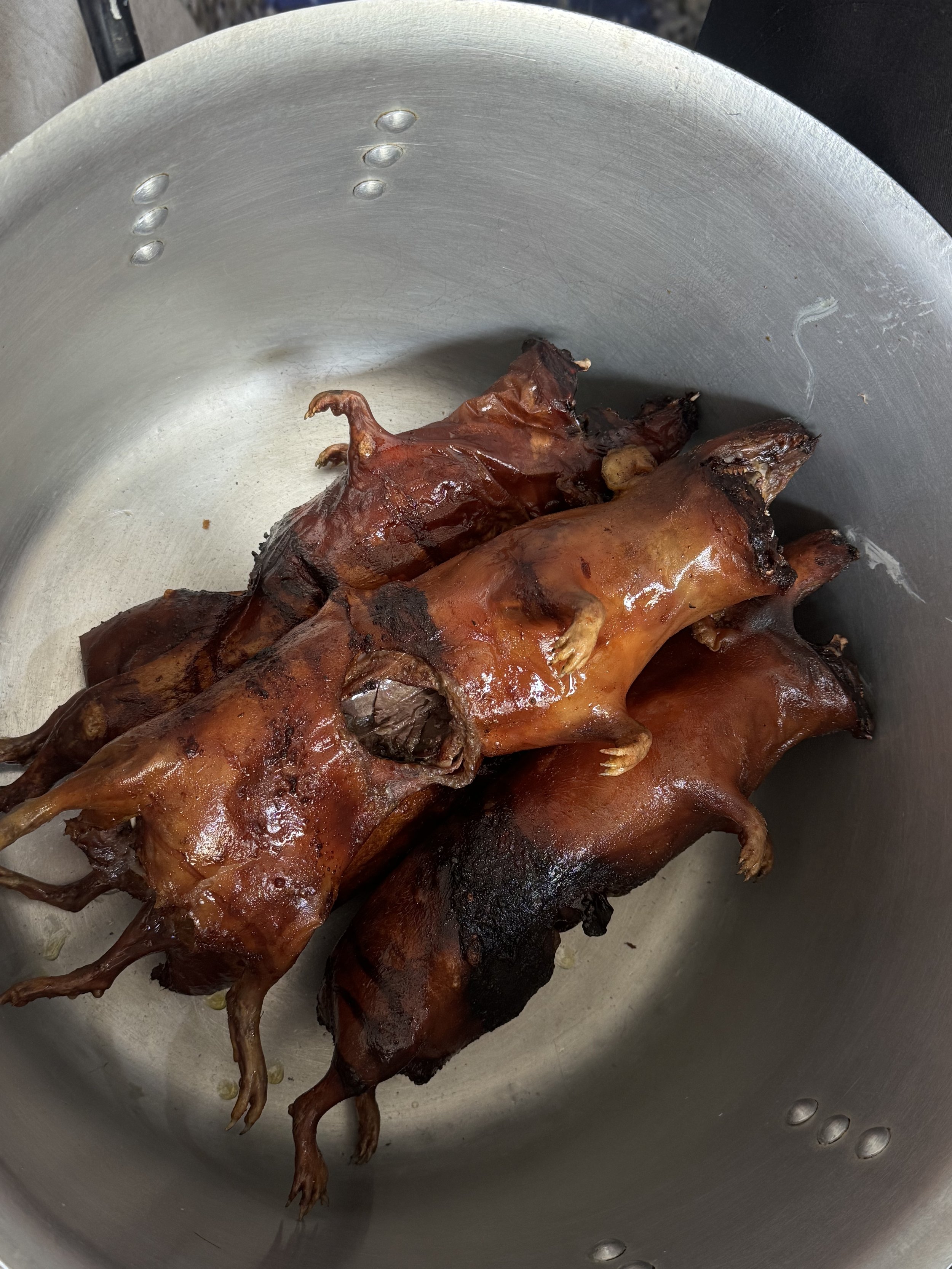
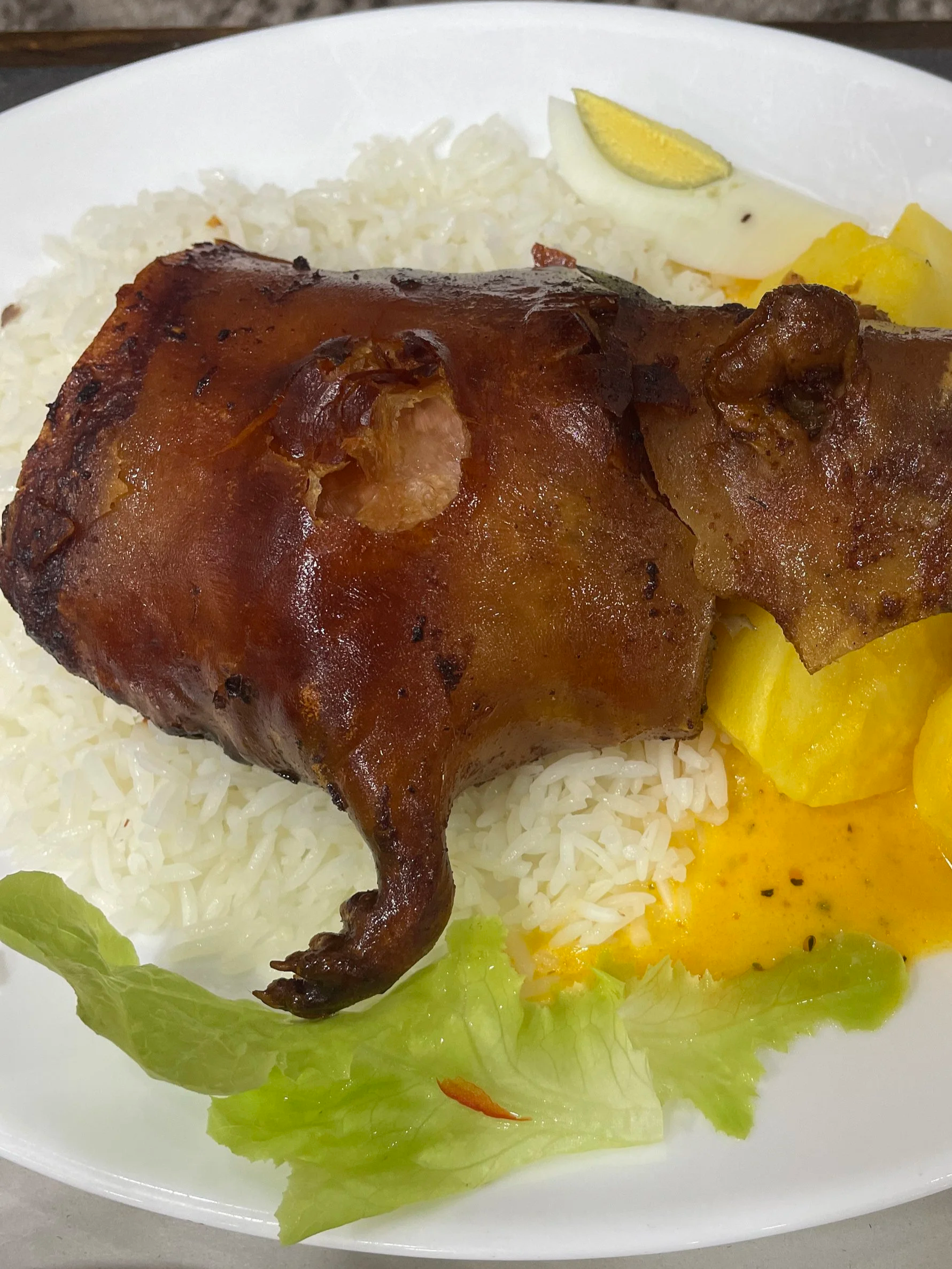
Cuenca has one of the most distinctive cuisines in all of Ecuador, and there are three dishes you absolutely must try: mote pillo (hominy scrambled with eggs and onion, the quintessential Cuencano breakfast), hornado (whole roast pork, served with mote and llapingachos) and, if you want to try the most iconic dish, cuy asado (roasted guinea pig), which is totally normal in Cuenca and is the ultimate test for many travelers.
You don't need to look for a fine-dining restaurant. The best places to try these are the markets: the 10 de Agosto or the San Francisco Market, where the food is just as good (or better) than in any restaurant and costs a fraction of the price.
7. Homero Ortega Hat Factory
This is the fact that surprises almost everyone: the Panama hat isn't from Panama, it's Ecuadorian, and a large share of them are still hand-woven in Cuenca and the surrounding area. The name comes from the fact that in the 19th century they were exported through the Panama Canal, and the confusion stuck forever.
Homero Ortega is the best-known factory to visit: it has a shop, a museum and, depending on the day, you can see part of the toquilla straw weaving process. It's a bit outside the center, so it's best to go by taxi.
📍 Location on Google Maps · Homero Ortega official website
8. Cajas National Park
Less than an hour from Cuenca is El Cajas, a national park at almost 4,000 meters above sea level full of glacial lagoons. You can also take a bus from the bus terminal for a couple of dollars, and in just over an hour you reach Laguna Toreadora, the most accessible one and the one with the main viewpoint right at the entrance.
Entry to the park is free, opening hours are 8:00 to 16:30, and on the way back it's worth stopping at one of the chocolate shops in the area for a hot chocolate with a view of the páramo, which sounds odd until you try it in the cold up there.
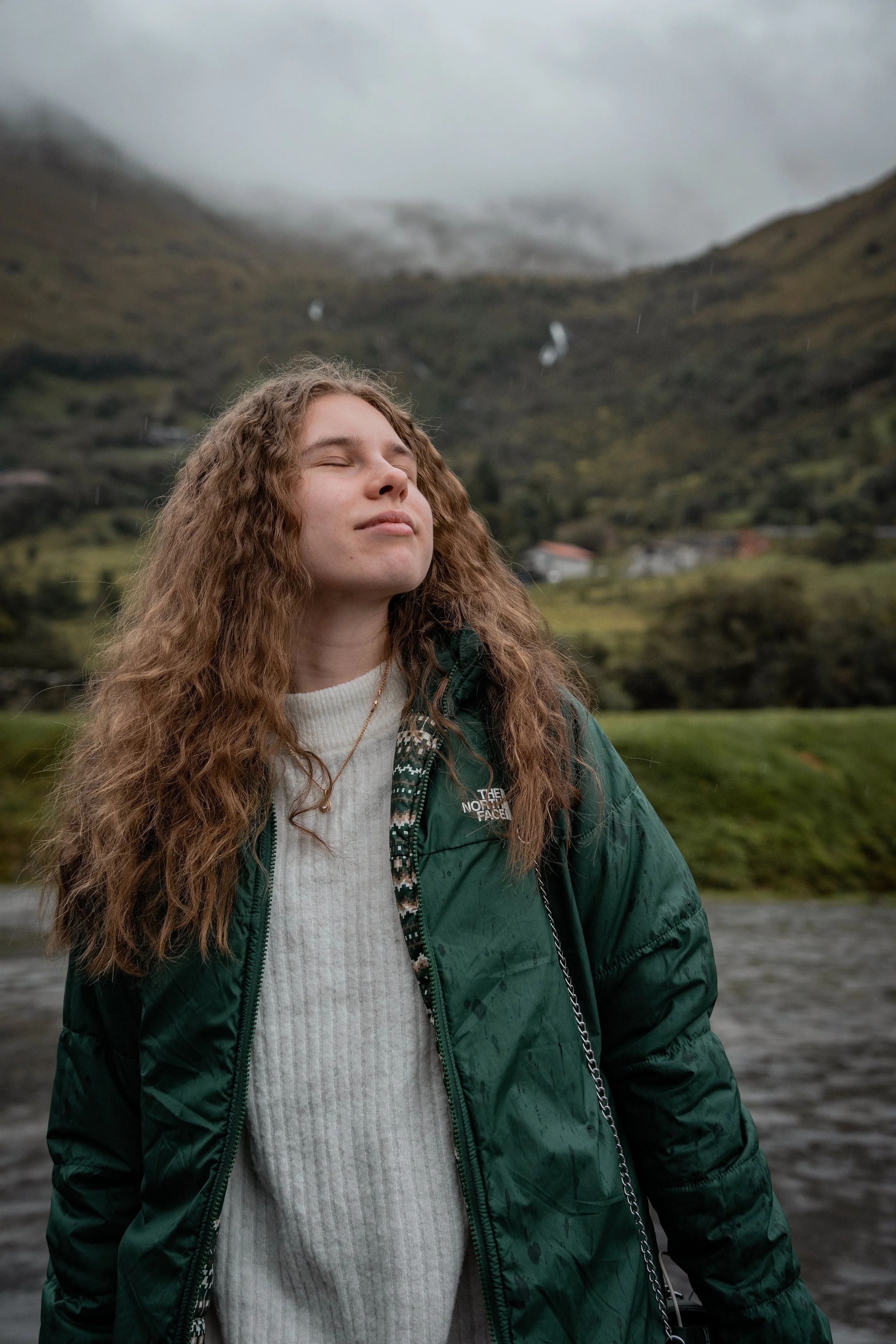
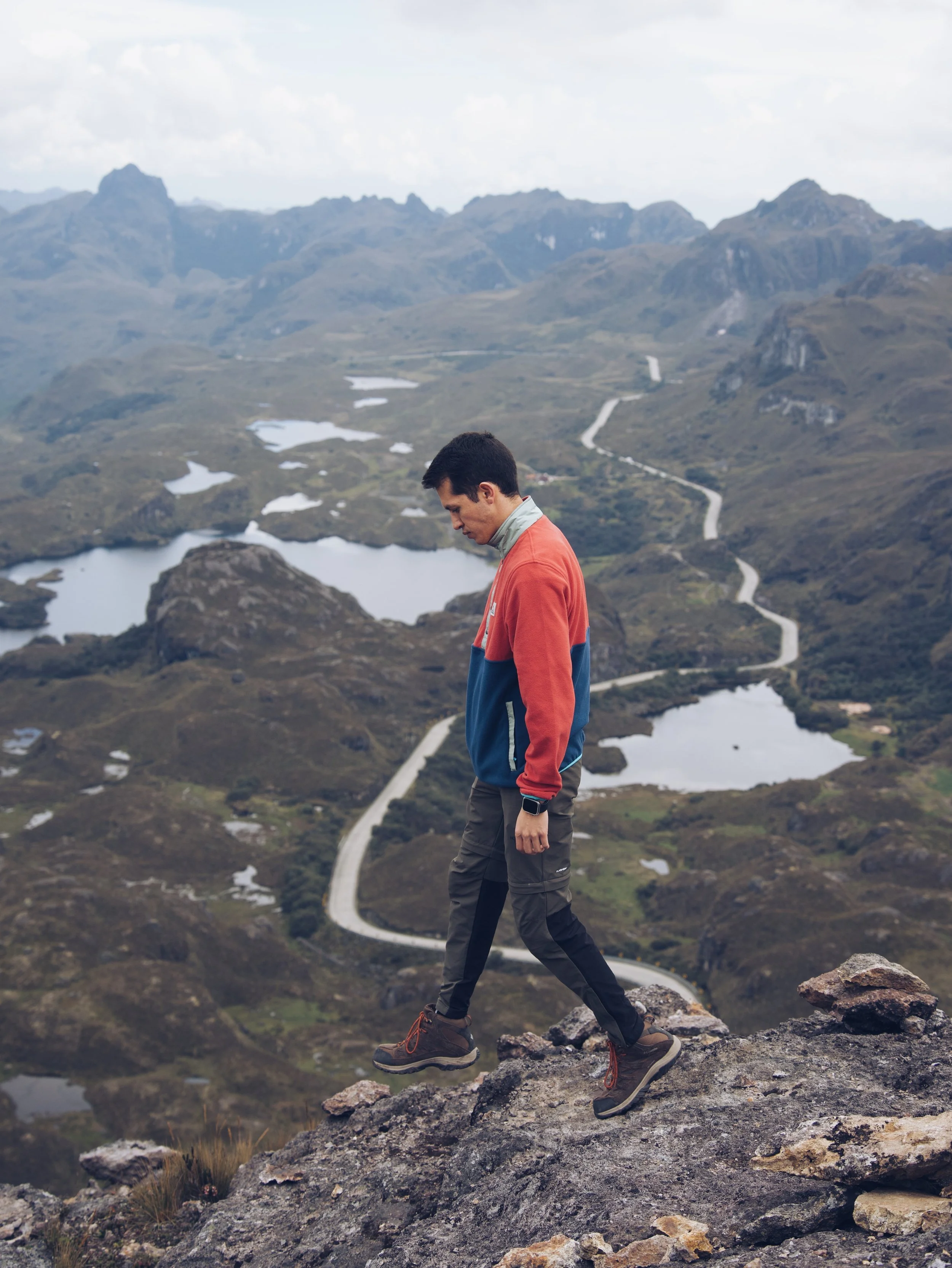
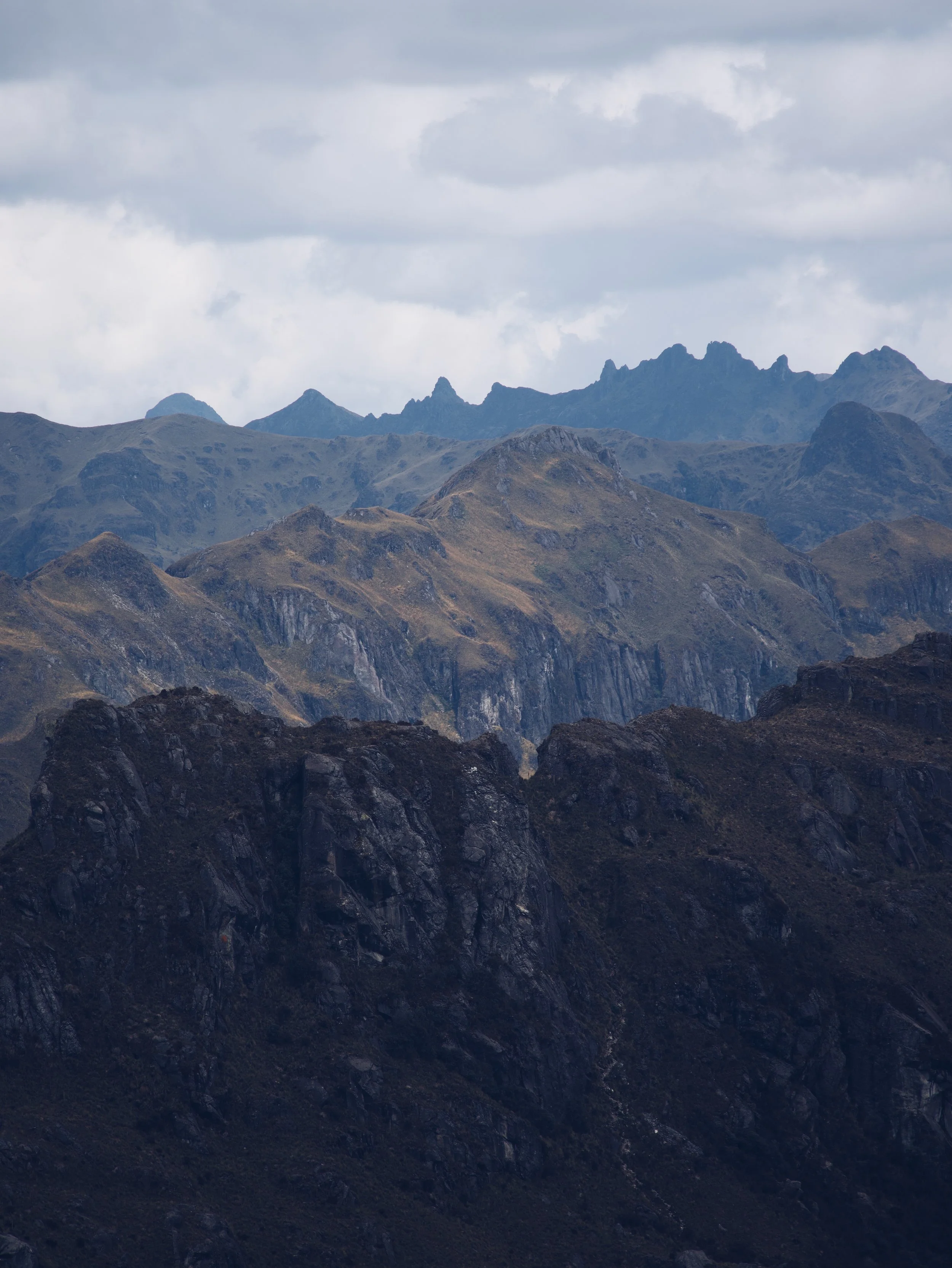
El Cajas was also a must-stop when we did the full 6-day route through southern Ecuador with Karyna, so if you have the time and the desire to continue toward the Amazon and Quilotoa, we've put the full itinerary here: Cuenca, the Amazon and Quilotoa in 6 Days.
Also, whenever we visit Ecuador we need internet for domestic travel and for day-to-day life. This time we tried MAYA Mobile and it's been really great: it has very flexible plans and I've had better coverage than my own family lol. Here's the link and discount code 10% (P&K10OFF) https://mayamobile.pxf.io/B59GLL
💡 Pedro's tips
🌡️ Dress in Layers Cuenca sits at 2,500 meters, so mornings and nights are cold and the midday sun is strong. Bring a light jacket even if you've checked the forecast and it says sunny all day.
🚕 Getting Around by Taxi for the Outskirts Turi, Homero Ortega and El Cajas are outside the historic center. A taxi within the city costs between $2 and $4, so it's not worth complicating things with public transport for these trips.
💵 Bring Cash Ecuador uses the US dollar, and card payments are still not accepted at markets, small shops and some taxis. Bring small bills, especially $1, $5 and $10.
🛡️ Safety Cuenca is one of the calmest cities in Ecuador for tourists. Even so, in the historic center and at night, use official taxis instead of hailing one on the street.
❓ Frequently Asked Questions
How many days do you need to see Cuenca, Ecuador? With 2 full days you can see all the essentials of the historic center, Turi and Pumapungo at a relaxed pace. If you want to add El Cajas or Homero Ortega without rushing, plan for 3 days.
Is Cuenca the same as Cuenca, Spain? No, they are different cities in different countries. This guide is about Cuenca, Ecuador, the third-largest city in the country, in the southern highlands, a UNESCO World Heritage Site since 1999.
Why is it called a Panama hat when it's an Ecuadorian hat? Because in the 19th century these toquilla straw hats, woven in Ecuador (mainly in the Cuenca and Montecristi areas), were exported through the Panama Canal, and the name of the transit point stuck to the product forever.
Is entry to Cajas National Park free? Yes, entry is free and the park opens from 8:00 to 16:30. The only thing you pay for is the bus from Cuenca, a couple of dollars each way.
Is it safe to walk around Cuenca? Yes, it's one of the safest cities in Ecuador for tourists, especially the historic center during the day. At night, it's better to get around by official taxi.
What traditional food should you try in Cuenca? Mote pillo, hornado and, if you dare, cuy asado. Markets like the 10 de Agosto are the best place to try it, cheaper and more authentic than a restaurant.
E-SIM for internet in Ecuador? We've tried Maya Mobile and its national coverage and speed have been very good. (P&K10OFF) https://mayamobile.pxf.io/B59GLL
👉 If this helped you plan your trip, follow us on Instagram (@pedroandkaryna) or TikTok (@karynandpedro), where we share behind-the-scenes content from Cuenca and the rest of our Ecuador route before it reaches the blog. Also, if you want to monetize your blog, check out this link that could be very useful to you.
Have you been to Cuenca, or do you have anything else you'd add to the list? Tell us in the comments 👇
