About two and a half hours. That's how long we had to explore Bioparc Valencia, from 4:00 pm until closing at 6:30 pm, and it was enough to see almost the whole park without stopping to eat or sit down. If you're wondering what to see at Bioparc: gorillas, chimpanzees, lemurs, rhinos and elephants, all spread across areas that recreate different corners of Africa. That said, not every animal is in the mood to say hello.
We live in Valencia and Bioparc had been on our to-do list for a long time. One of those plans that's right around the corner and you never find the day for. Then one afternoon we said: today.
We went with high expectations. Some were more than met. Others stayed hidden behind a rock.
📋 What you'll find in this post
Getting to Bioparc: parking and Parque de Cabecera
First stop: the gorilla that left us speechless
The savanna: rhinos, elephants and an invisible giraffe
Lions, zebras, buffalo and the hippo that didn't come out
Lemurs and chimpanzees: the most fun part of the afternoon
Is Bioparc Valencia worth it?
Pedro and Karyna's tips
Frequently asked questions
Bioparc Valencia: practical information
| ⏰ Opening hours | Opens at 10:00 am. Closes between 5:00 pm and 8:00 pm depending on the time of year. You can enter up to one hour before closing. |
|---|---|
| 🎟️ Tickets | Adults (13 to 64 years) from €29.50 - €30 Children (4 to 12) from €19.90 Seniors 65 and over from €23.50 Children under 4 free |
| 🚗 Parking | Under the entrance, €7 maximum for up to 10 hours. Vehicles up to 2.10 m tall. |
| 🚌 Transport | EMT bus 98 and 99 (they stop right at the entrance) Metro lines 3, 5 and 9 (Nou d'Octubre stop) |
| ⏱️ Time needed | 2 h 30 min at a minimum; ideally 3 or 4 hours. |
Getting to Bioparc: parking and Parque de Cabecera
We went by car and parked in the Bioparc's own car park, which is right below the entrance. No driving around looking for a spot, which is always appreciated in Valencia.
If you don't go by car, no worries. The park is very well connected by public transport: EMT buses 98 and 99 stop right at the entrance, and the metro drops you at Nou d'Octubre, about a ten-minute walk away.
Bioparc is right next to Parque de Cabecera, at the end of the old Turia riverbed. And honestly, the surroundings are worth it on their own: a lake, green spaces and people out for a stroll. If you have time, take a walk before or after.
We bought our tickets through GetYourGuide and got in without any problems. We showed our phone and went right in.
First stop: the gorilla that left us speechless
As soon as we entered, we turned right. There was no special reason, it was simply the direction that came up.
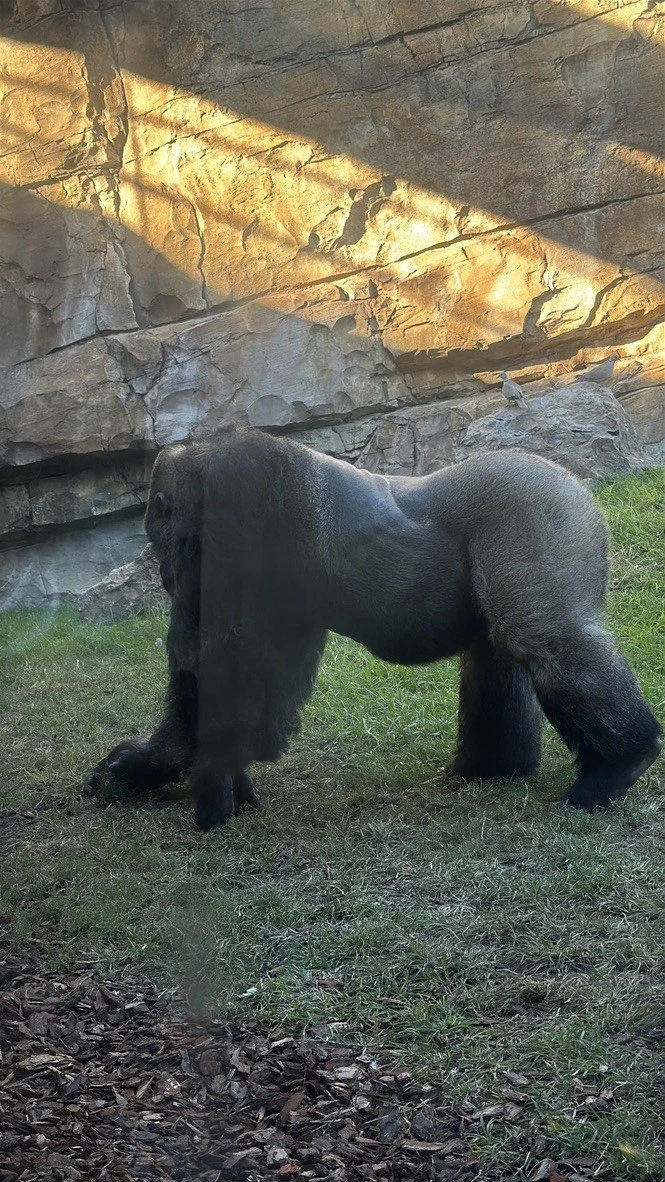
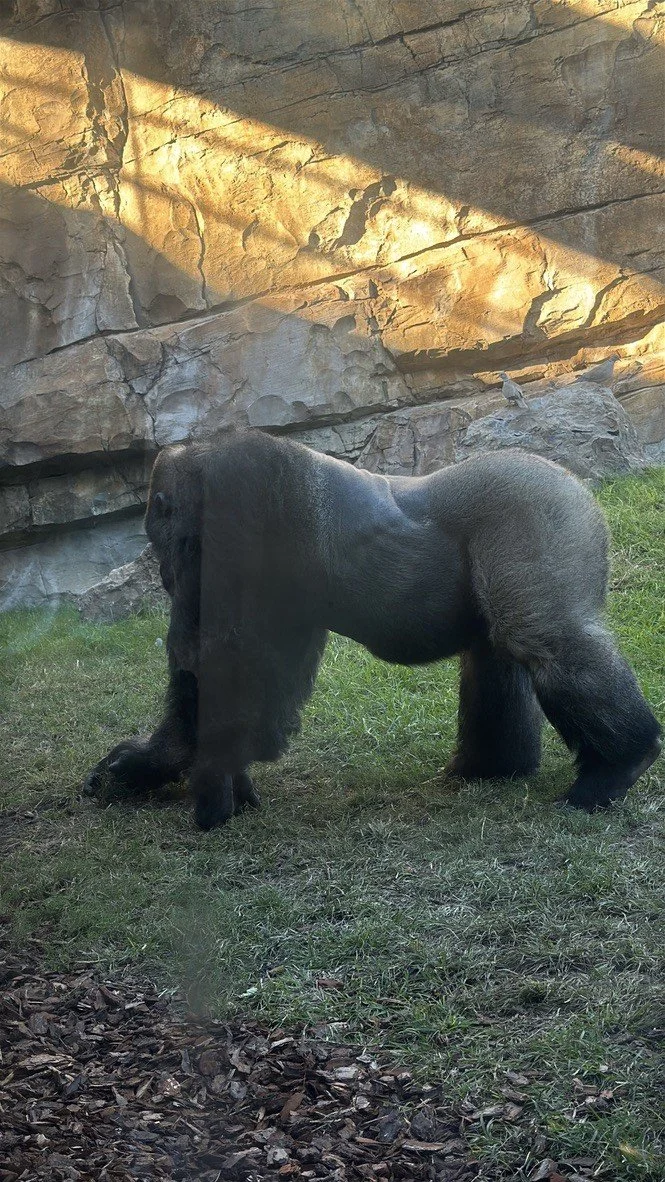
And that's where the best part of the visit came. The gorilla.
It's hard to explain what it feels like to have one right in front of you. The size, the calm way it moves, the way it looks at you. We stood watching it for a long time and neither of us was in a hurry to move on. If we could only recommend one area of Bioparc, it would be this one.
One detail we really liked: there are no bars in sight. The enclosures are designed so it feels like you're inside the animal's habitat, with plants, rocks and huge glass windows. The park calls it zooimmersion, and it works.
We have always been wary of zoos, because we truly believe animals deserve far more space than they can have in places like this. However, there are also rescued animals and species conservation campaigns behind them. Always check the benefit the zoo you're visiting provides.
The savanna: rhinos, elephants and an invisible giraffe
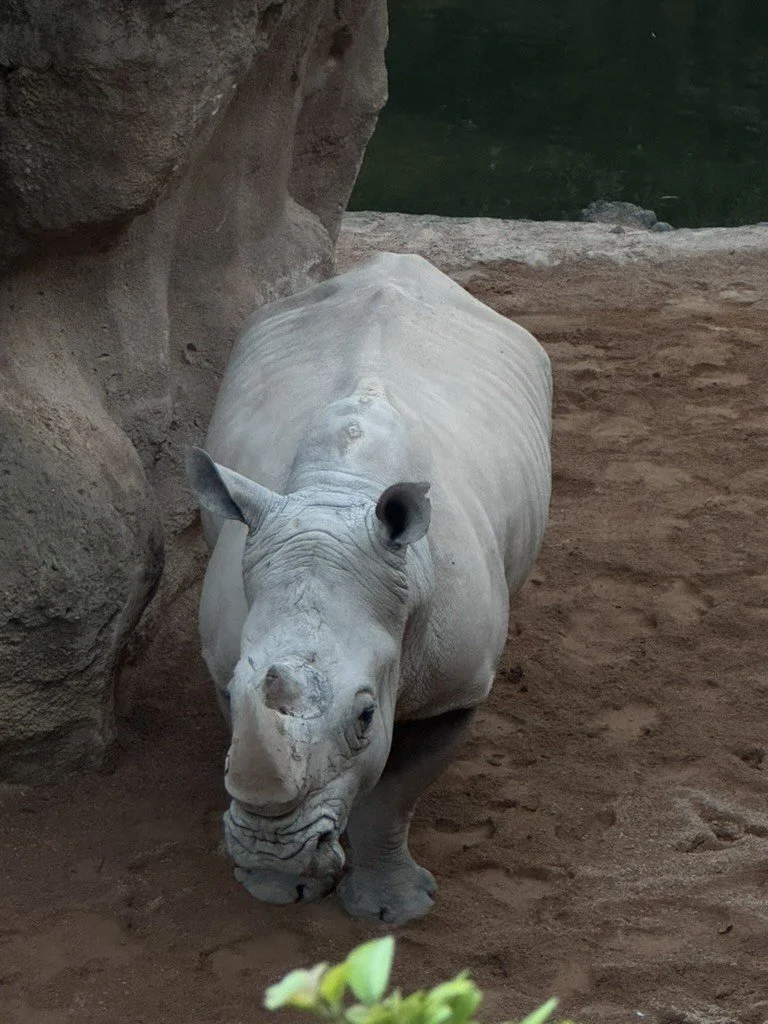
We moved on to the African savanna area and the next to appear was the rhino. Another moment of staring with our mouths open. It's huge and much closer than you'd expect.
Along the way we also saw crocodiles, very still and minding their own business, as you'd expect from a crocodile.
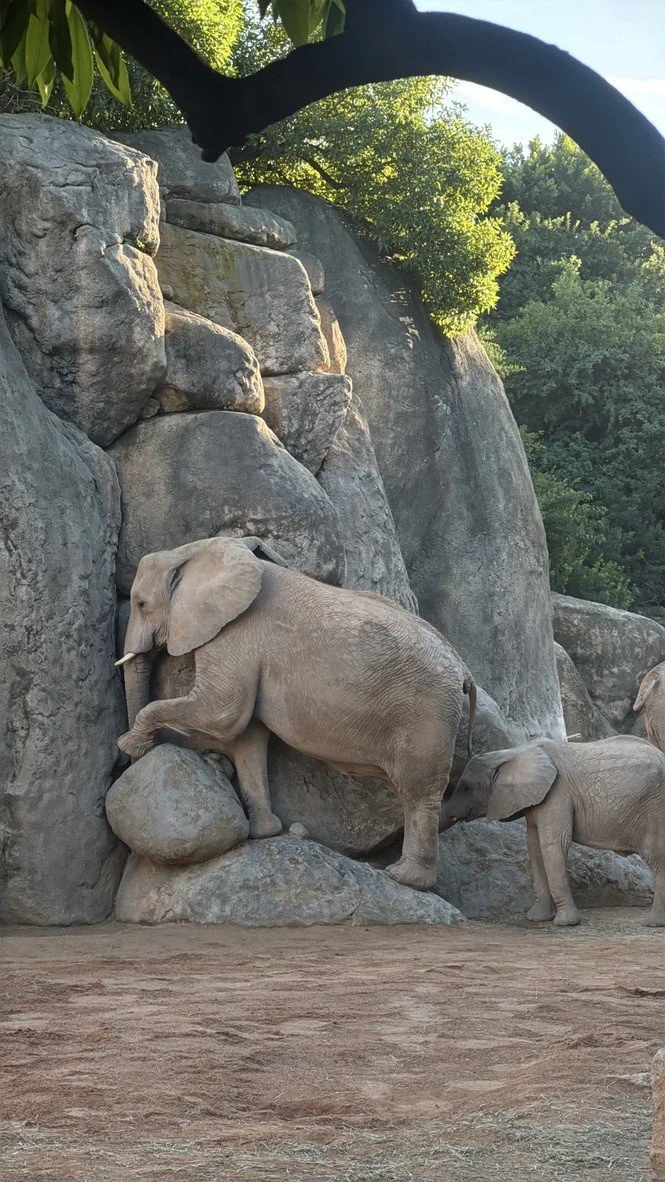
The elephants were another of the most beautiful parts. Watching them move together across the savanna, with the African landscape recreated behind them, makes you forget for a moment that you're in the middle of Valencia.
And then there was the giraffe. Or rather, there wasn't. We searched everywhere and there was no luck. It was one of the things we were most excited to see, and we were left wanting more.
Lions, zebras, buffalo and the hippo that didn't come out
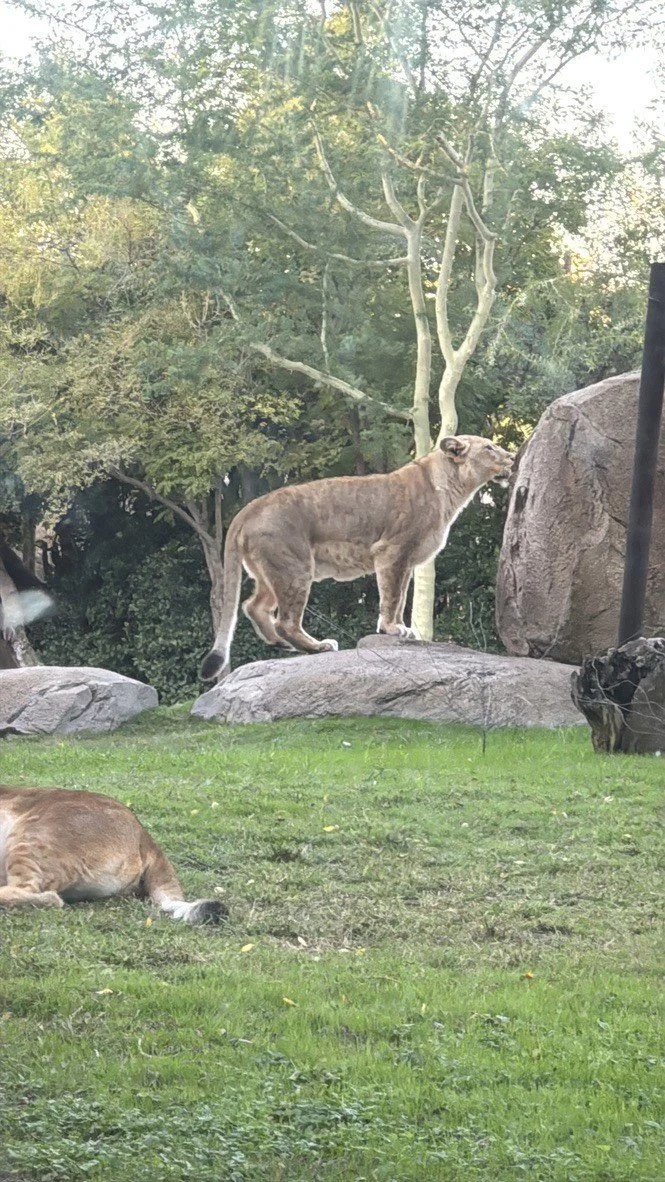
In the lion area we saw the lionesses lying down, relaxed, with that look of having nothing to prove. The male lion, on the other hand, had decided that afternoon wasn't a good time for visitors. He was hiding and we couldn't spot him.
The zebras were there, and so were the buffalo. The hippo, no. Another one that stayed home.
Here we learned something important: at Bioparc, the animals don't come out when you want them to, but when they feel like it. That's part of the charm of the concept, but if you're going with a list of must-see animals, be prepared for one of them to let you down.
Lemurs and chimpanzees: the most fun part of the afternoon
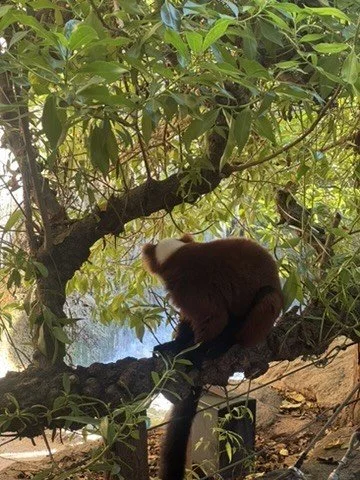
Toward the end of the route we reached the Madagascar area, home to the lemurs. We found it super interesting. They move incredibly fast, jumping from one side to the other and never stopping for a second.
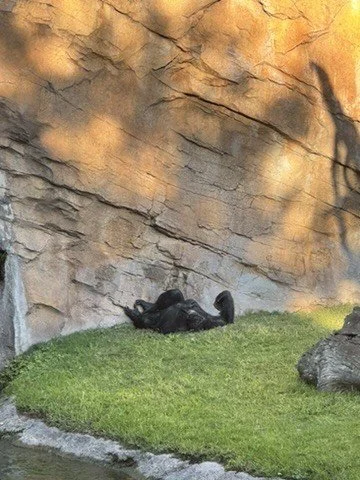
But what made us laugh the most were the chimpanzees. We spent a while watching how they interacted: how they looked for each other, pushed each other, and drew close to one another. They're so similar to us it's a little dizzying. There were moments when it looked like we were watching a group of friends arguing over who's paying the bill.
We barely stopped during the whole visit. We knew that by entering at 4:00 pm we'd have just enough time before closing, so we kept a good pace. The only thing we did was buy water, which you can find at many points around the park. There are also several bars, restaurants and souvenir shops along the way, in case you want a longer break than we took.
Is Bioparc Valencia worth it?
For us, yes. We left with a slightly bittersweet feeling for not seeing either the giraffe or the male lion, but the gorilla, the rhino, the elephants and the chimpanzees more than made up for it.
What we would do differently is the timing. Going in the afternoon makes sense, since some animals are more active when the heat dies down. But it's also true that after a full day, many of them are tired. We were told to go in the morning, when the sun isn't yet strong and the animals are more active. And with more time, without rushing against the clock.
Next time, early in the morning. And let's see if the giraffe is in the mood.
💡 Pedro and Karyna's tips
⏰ Better in the morning We went at 4:00 pm and it worked out, but we were left with the feeling of rushing. The park opens at 10:00 am, and first thing in the morning the animals are more active and it's cooler. Also, you can enter up to one hour before closing, which changes depending on the time of year.
🎟️ Online tickets We bought ours through GetYourGuide [BIOPARC tickets] and got in without queues or hassle. The price varies by date: general admission (13 to 64 years) starts at around €29.50 and reduced admission (4 to 12 years and 65+) at around €23.50. Children under 4 enter for free.
🚗 Parking or public transport The Bioparc car park is below the entrance and costs around €7 maximum for up to 10 hours. If you're using public transport, EMT buses 98 and 99 stop right at the entrance, and the metro (lines 3, 5 and 9) drops you at Nou d'Octubre.
💧 Water yes, food no You can't bring in food or drinks, only water in plastic bottles. Inside there are plenty of places to buy water and several restaurants.
🦒 Lower your expectations for some animals The enclosures are large and the animals have plenty of places to hide. We didn't see the giraffe, the male lion or the hippo. Take it slow and do a second loop if you have time.
🚪 You can't leave and re-enter Once you're out, your visit is over. If you want to eat outside or stroll through Parque de Cabecera, do it before or after.
Things to see near Bioparc
Bioparc sits at one end of the Jardín del Turia, so it's easy to combine with other plans around the city. Right next door is Parque de Cabecera, with its lake and green spaces, and from there you can follow the old riverbed on foot or by bike.
If you want to round out the day, at the other end of the Turia is the City of Arts and Sciences. And if you're still craving more plans, here's our selection of museums to visit in Valencia and our summer plans in Valencia and surroundings.
❓ Frequently asked questions
What animals are at Bioparc Valencia? More than 70 African species spread across areas such as the savanna, the equatorial forest and Madagascar. We saw gorillas, chimpanzees, lemurs, rhinos, elephants, lionesses, zebras, buffalo and crocodiles.
Where to park at Bioparc Valencia? In the Bioparc's underground car park, right below the entrance. It costs around €7 maximum for up to 10 hours and accepts vehicles up to 2.20 m in height.
How to get to Bioparc Valencia? By car along Avenida Pío Baroja, by EMT bus (98 and 99 stop right at the entrance) or by metro (lines 3, 5 and 9, Nou d'Octubre stop). You can also walk or cycle along the old Turia riverbed.
What time does Bioparc Valencia close? It depends on the time of year. In autumn and winter it usually closes around 6:00 pm, and in spring and summer it stays open until 8:00 pm. The day we went, it closed at 6:30 pm. You can enter up to one hour before closing.
How to get 2-for-1 tickets at Bioparc Valencia? It's not common. The park runs occasional promotions, such as the afternoon pass discount in summer, so it's best to check their website before buying. Large families, single-parent families and people under 25 usually get a discount.
Where to eat at Bioparc Valencia? Inside there are several restaurants and cafés, some with views over the savanna. We didn't eat there because we were short on time.
Have you been to Bioparc? Did you manage to see the giraffe? Tell us in the comments 👇
