After living in Valencia for almost 6 years, we can say this: one full day. That's the minimum you need to get a real sense of the City of Arts and Sciences in Valencia, and you'll still want more. If you also want to enjoy an event like an opera at the Palau de les Arts, plan a second visit: between the Hemisfèric, the Museu de les Ciències, and the Oceanogràfic. We've visited this place several times and we're still amazed by how magnificent its architecture is.
The first time we arrived, walking along the old bed of the Turia River, we did what almost everyone does: we stopped and stared at the buildings before going into any of them. No matter how many photos you've seen before, having those white structures surrounded by water in front of you feels different in person.
Over time we've combined one visit with another: first the Oceanogràfic and the museum, then the Hemisfèric, and most recently, a night at the opera at the Palau de les Arts that we didn't expect to be such a great experience. We'll tell you how it went in each building, what's scheduled for the coming months, and what was (and wasn't) worth the effort.
Visiting this place is a must whether you live in Valencia or are just passing through.
What Is the City of Arts and Sciences and What to Visit?
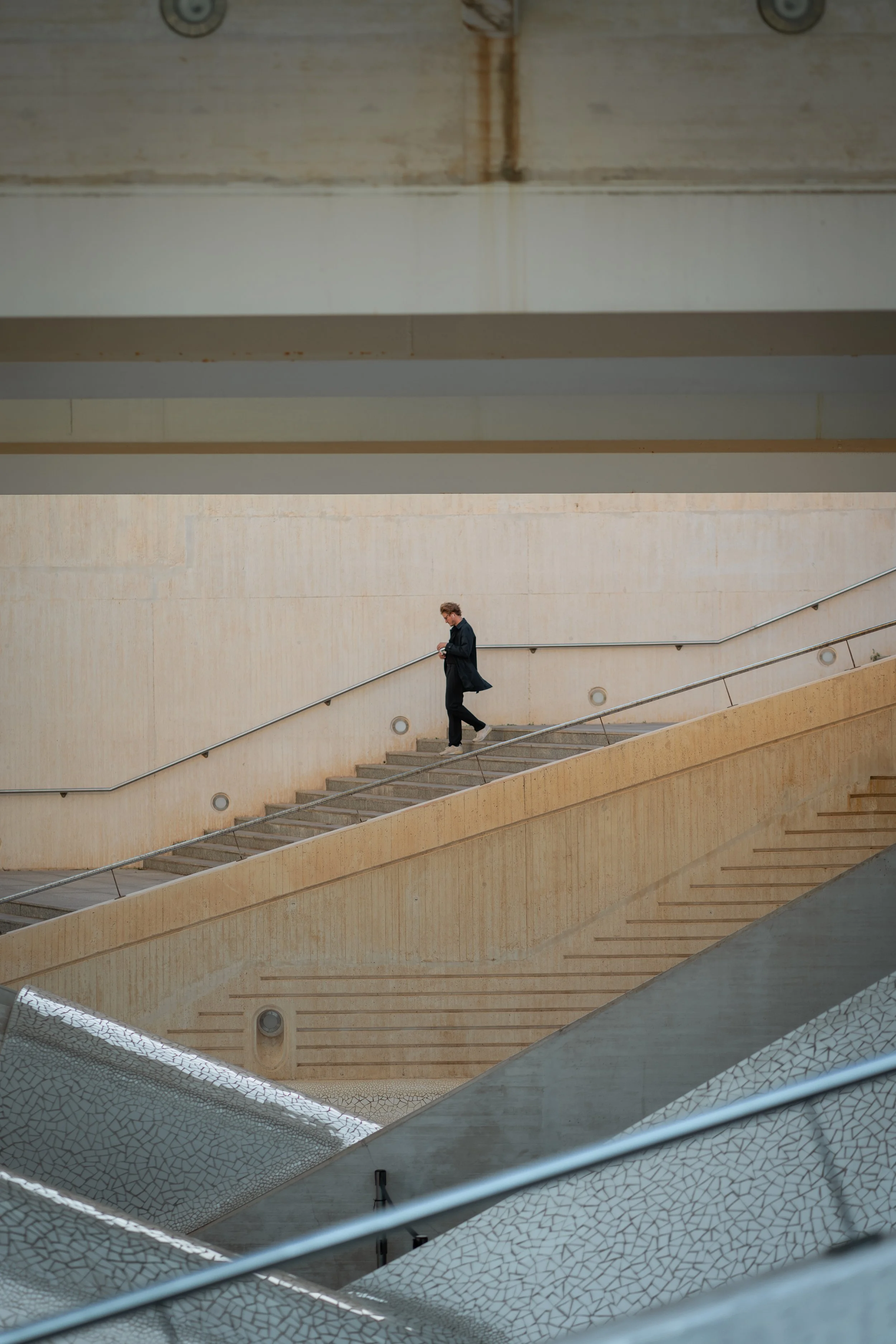
Before visiting this iconic Valencia landmark, it's helpful to know what it is and a bit of its history. It's a leisure and culture complex built on the old bed of the Turia River, with six main spaces: the Hemisfèric (IMAX cinema and planetarium), the Museu de les Ciències (interactive science museum), the Oceanogràfic (the aquarium), the Palau de les Arts (opera and live music), the Umbracle (landscaped viewpoint and car park), and the Ágora, which has housed the CaixaForum since 2022. Everything was designed by Santiago Calatrava, except the Oceanogràfic, which was designed by Félix Candela.
The first to open was the Hemisfèric, in 1998, as part of a project that started out much more modestly and grew over the years until the Oceanogràfic was completed in 2003 and, later, the Ágora itself. If you only have time to choose, we'd pick the Oceanogràfic and an opera at the Palau de les Arts, which were the two that surprised us most. If you're going with kids, the museum can be very interesting thanks to its exhibits and how interactive it is.
How to Get There from Central Valencia
The most convenient option, if you're not driving, is Metrovalencia line 10, which connects the city center and the Russafa neighborhood with the Ciutat Arts i Ciències-Justíciastop, a short walk from the entrance. The trip from Russafa takes about 7 minutes.
Several EMT bus lines also serve the area, including the 13, 35 and 95, the latter being especially useful since it runs along much of the old Turia riverbed and passes other spots like the Bioparc and the Museo de Bellas Artes.
We've sometimes walked from the city center following the Turia, and it's a lovely 30-40 minute stroll, especially on a nice day. If you're driving, there are two paid car parks inside the complex: the one at the Umbracle and the one at the Oceanogràfic.
The Hemisfèric, the Room That Looks Like a Giant Eye
From the outside, the Hemisfèric is unmistakable: an eye-shaped structure surrounded by a pond, which was the first building in the complex to open, back in 1998. Inside, it houses a concave screen of more than 900 square meters, the largest IMAX Dome screen in Spain. When we found out this existed we couldn't even imagine it, because we had always seen it as a structure without much to offer.
We chose one of the sessions dedicated to space, with the reclining seats and the image wrapping around us on all sides, and the sense of immersion exceeded our expectations. The show lasts about 45 minutes and the seats aren't numbered, so if you want a specific spot, it's best to arrive with some time to spare. When we went, there was plenty of room, and it's a more educational "movie".
Right now the lineup includes titles like "Oceans: Our Blue Planet", an experience about auroras, a winter planetarium show, and a special session about the August 2026 solar eclipse. On Saturdays there are also "Pixar Afternoons," with screenings of studio classics designed for family outings. Tickets start at €6.90.
The Museu de les Ciències, Calatrava's Concrete Whale
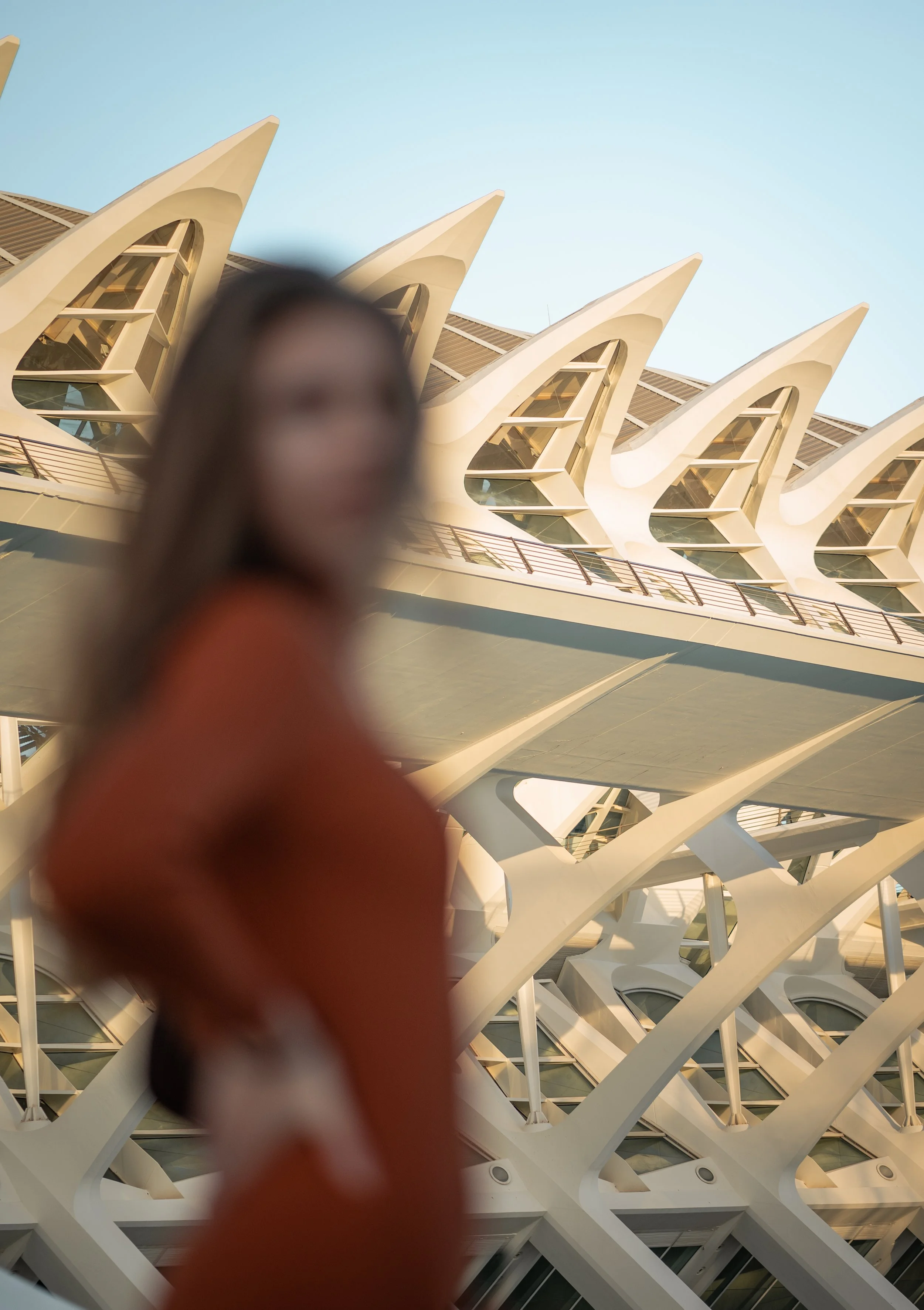
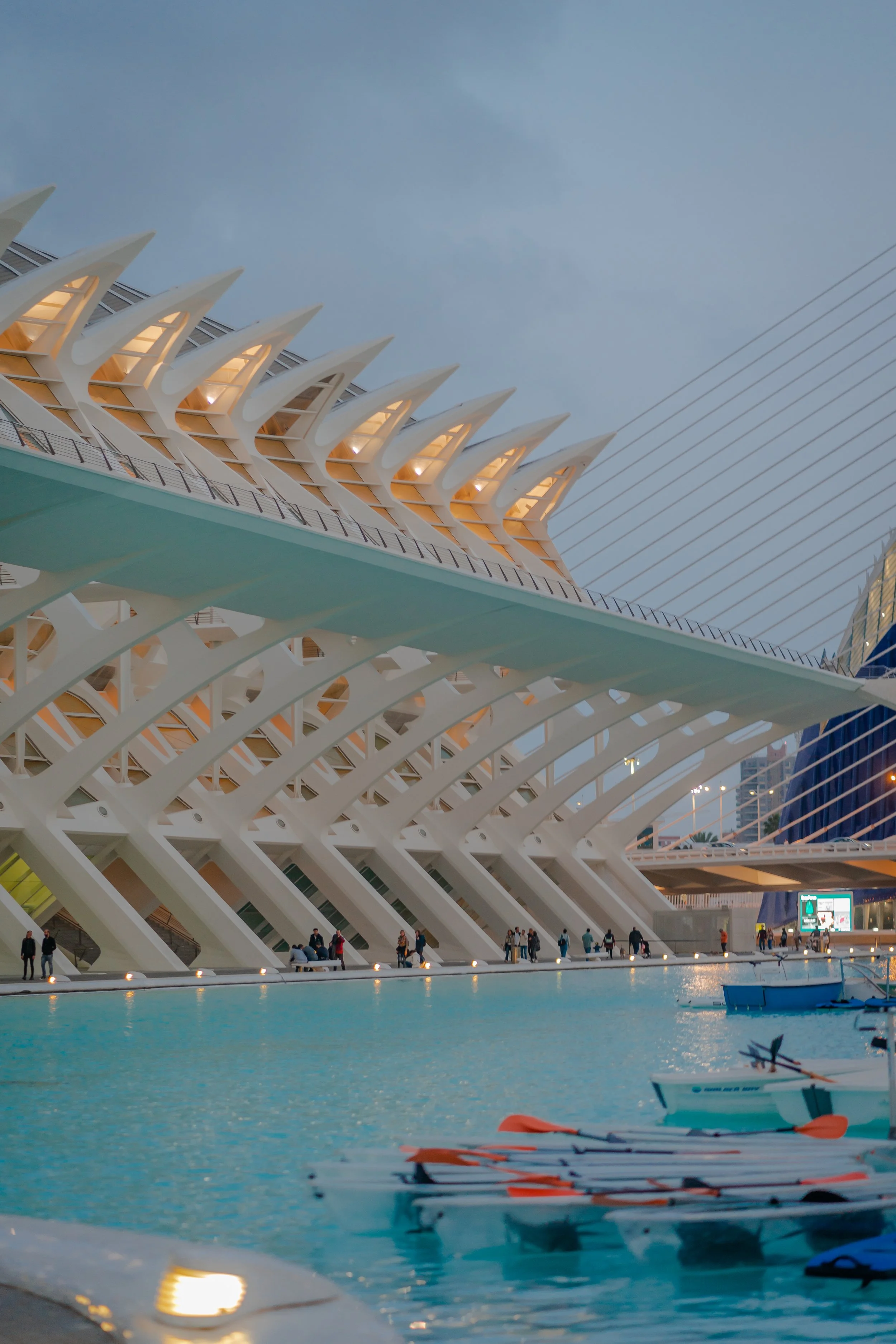
The museum is right across from the Hemisfèric, on the other side of the lake, and its facade of white concrete ribs resembles the skeleton of a whale. It was designed by Santiago Calatrava, just like the Hemisfèric and the Palau de les Arts, and its seven visible floors can be seen from several points in the Turia Gardens.
Inside, the permanent exhibit most people remember is the Chromosome Forest, an immersive installation about the 23 pairs we all carry. It's striking and unusual, in a good way. It was exactly what we liked most about the museum.
Honestly, the rest of the visit felt a bit weaker than we expected: some areas have a lot of text panels and little real interaction, and it's clear that some sections haven't been updated in years. Of the four buildings we visited, this was the one that excited us least, although it still works well for kids thanks to the workshops and live demonstrations, such as the "Alto Voltaje" show with electric arcs.
Until January 15, 2027, there's a temporary exhibition called "El Legado de la Ciencia" on the second floor, about three Nobel laureates: Santiago Ramón y Cajal, Severo Ochoa and Jean Dausset. We spent more time than we expected in front of Ochoa's personal library, with more than 1,200 volumes. It's a bit dizzying to see up close the notebooks of someone who changed medicine. Here's the full list of their exhibitions https://cac.es/museu-de-les-ciencies/#exposiciones
The Oceanogràfic, the Largest Aquarium in Europe
If the museum left us lukewarm, the Oceanogràfic was the complete opposite. It's the largest aquarium in Europe, with more than 500 different species spread across buildings that recreate the planet's major marine ecosystems, and as soon as you walk in you can tell that every detail has been carefully looked after.
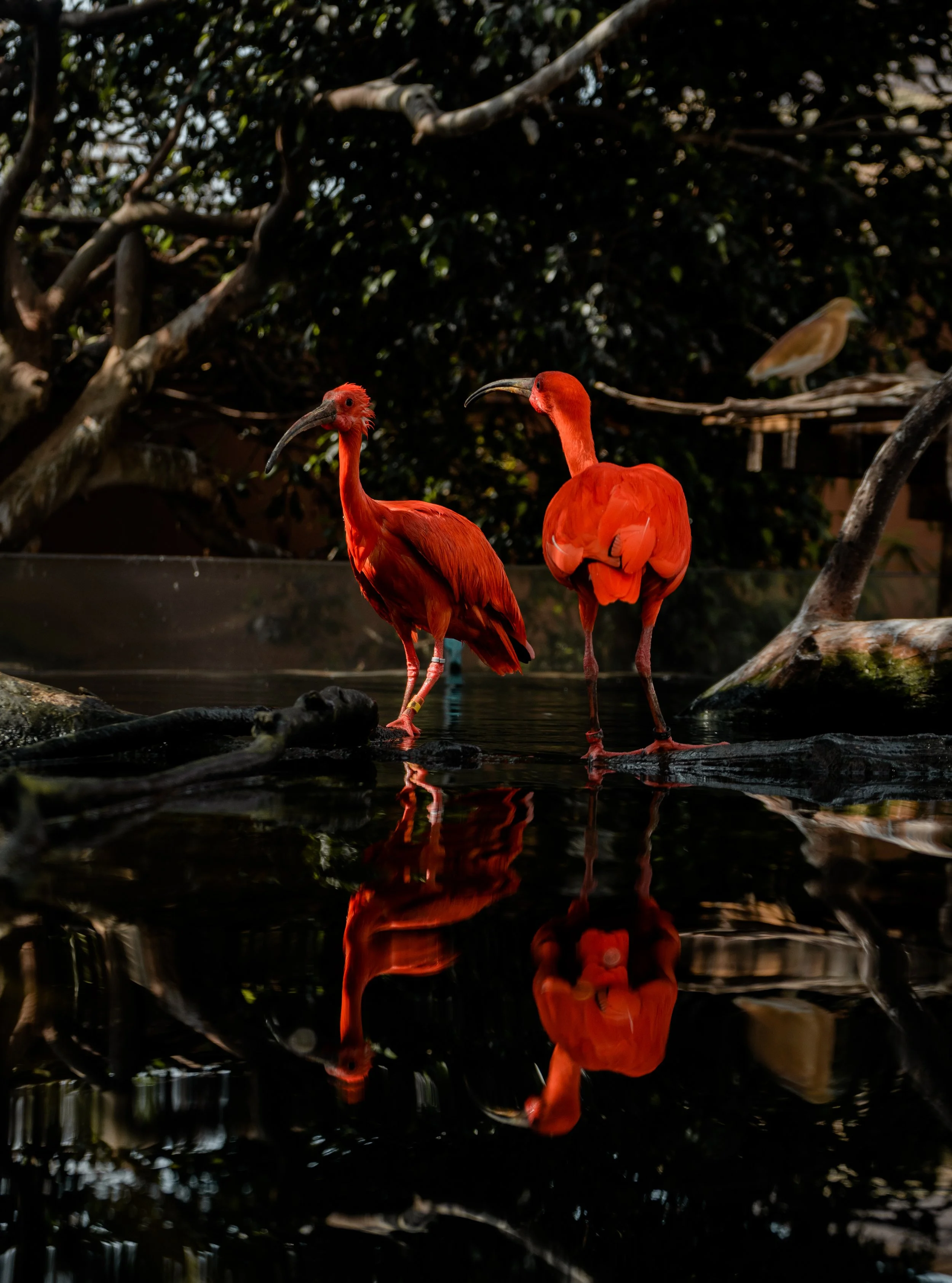
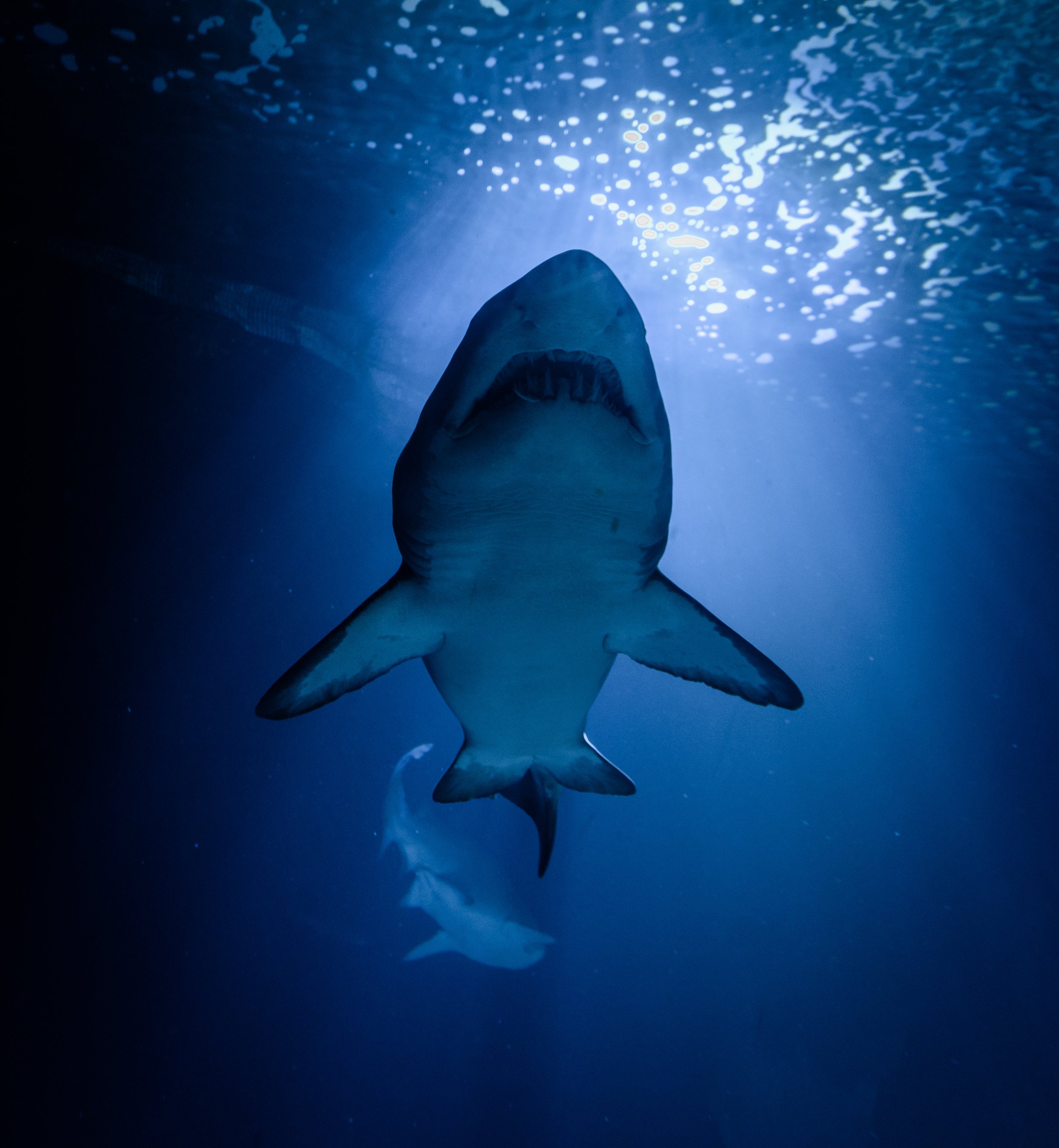
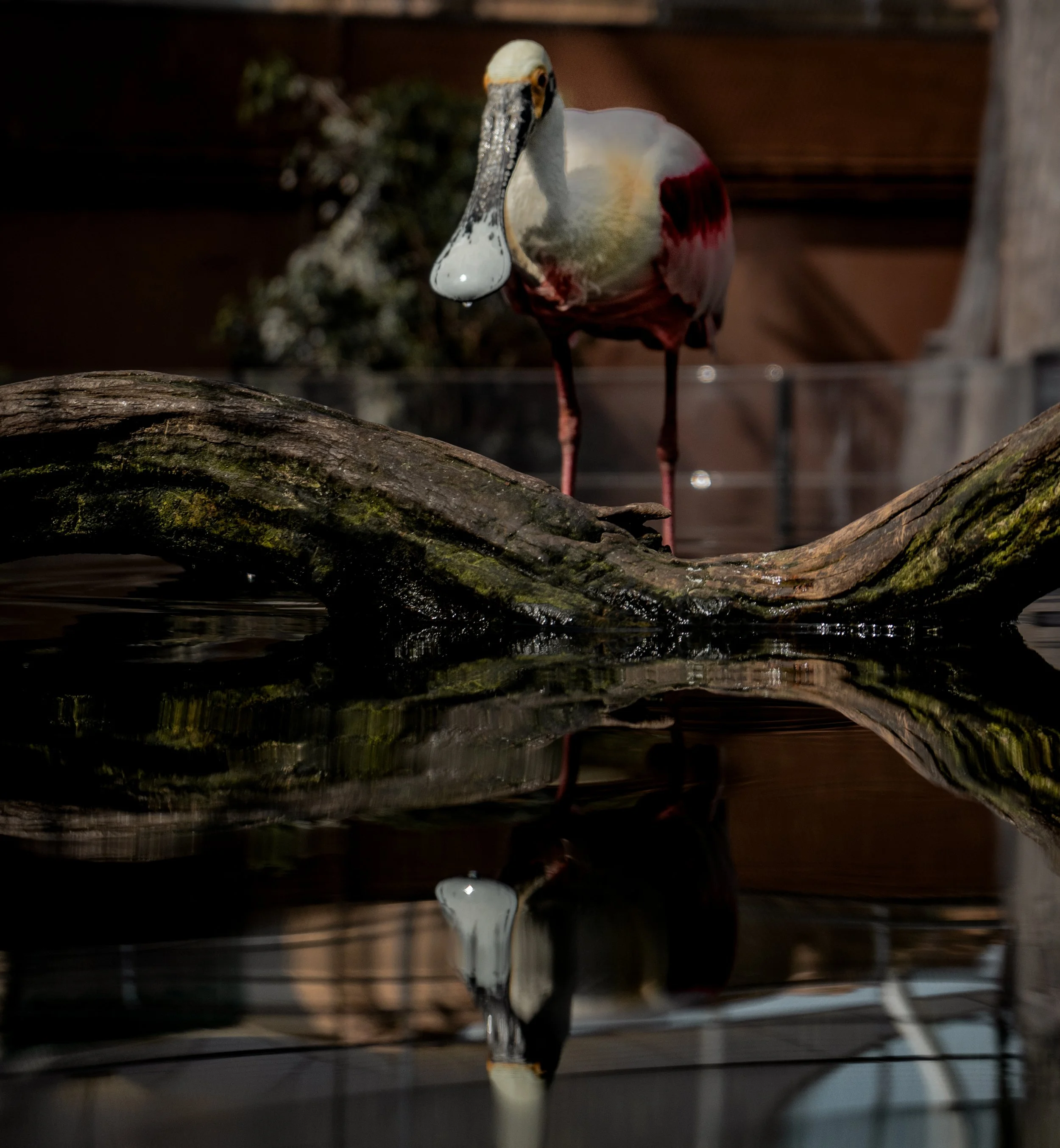
What we remember most is the tunnel beneath the main tank, with sharks and manta rays literally gliding over your head. We also stopped in the wetland birds area, very similar to what you can see at the Albufera, just a few kilometers away.
We didn't do it ourselves, but if we go back we'll try the Backstage Tour, a guided visit through the aquarium's behind-the-scenes areas, including the sea turtle rehabilitation area, and the 4D Cinema, with wind, snow and seat vibration effects synced to what's on screen. Both activities require a general admission ticket to the Oceanogràfic for the same day.
We also want to mention that this aquarium has rescued many animals that other aquariums wouldn't keep. Although we can admire them here in Valencia, it's still a shame that they're not in their natural habitat. This view may seem contradictory, but it's what we believe.
The Palau de les Arts, the Opera Under Calatrava's Wave
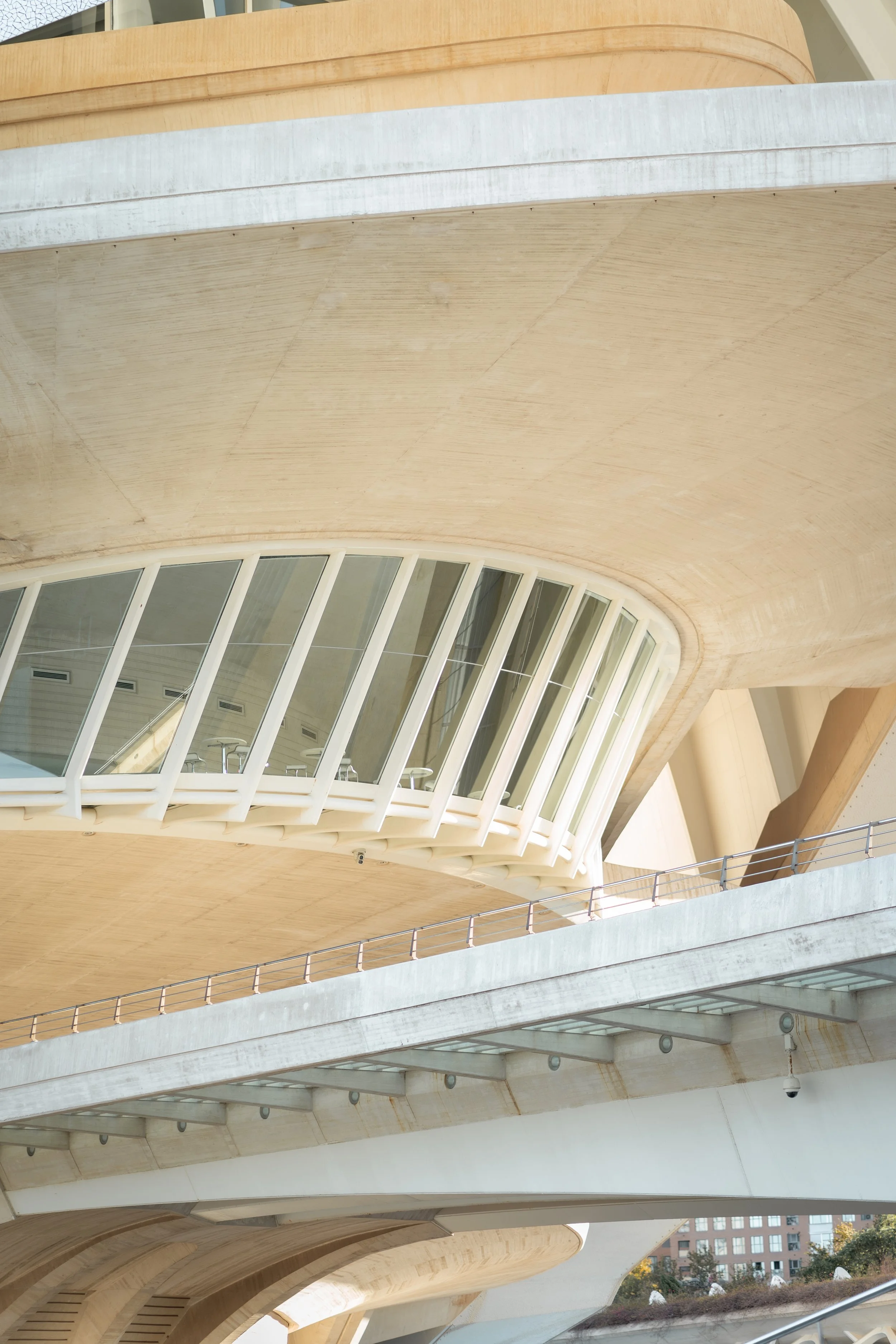
We saved this visit for last on purpose, and it was well worth the wait. The Palau de les Arts is the tallest building in the complex, with that helmet- or wave-shaped roof you can see from almost anywhere in the city, and inside it has an acoustic quality you notice as soon as the orchestra begins to play.
We went without being opera experts, more out of cultural curiosity than passion, and we left wanting to go again. You don't need to know anything about opera to enjoy the staging, the singers' voices filling the hall without microphones, and that moment when the lights go down and the entire building seems to hold its breath.
The 2026-2027 season is off to a strong start, and as soon as we saw the poster we understood why general sales are already open. It kicks off on October 2 with a new production of "Carmen." In December, "Lohengrin" arrives. And there are premieres that have never been performed in Valencia before, such as Handel's "Riccardo Primo" and John Adams's "Nixon in China." For 2027, we'll see "La clemenza di Tito" and the return of "Simon Boccanegra."
We've also gone up here to take photos, and graduations and lectures are often held here. In many cases it's a multipurpose hall.
The CaixaForum, the Surprise Inside the Ágora
This is the building most people skip, and that's a shame, because the Ágora is much more than the sports events venue most people associate with it. Since 2022 it has housed the CaixaForum Valencia, with an interior designed by Enric Ruiz-Geli featuring a large suspended cloud and hanging gardens, which has nothing to do with the style of the rest of the complex.
It wasn't one of our first stops, to be honest, which is why we left it for the end of this list, but we now know there are always new exhibitions and it's a good plan at any time. Admission isn't included in the combined tickets for the Oceanogràfic, the museum or the Hemisfèric: you have to buy it separately, and it costs €6.
Until October 12, 2026, they have "Alice's Worlds: Dreaming the Land of Wonders," an exhibition created with the V&A Museum in London based on Lewis Carroll's classic. It sounds like a perfect plan for kids, and we've already noted it for a weekend trip as soon as summer ends. Until August 23, 2026, it shares the space with another show about the connection between music and mathematics.
Other Spots Worth Knowing
Among the main buildings, the Umbracle works as a landscaped viewpoint and car park at the same time, and at night it also becomes a nightclub that many visitors stop by because of how iconic it looks. The whole complex is built on the old bed of the Turia River, which was diverted after the 1957 flood, and it stretches for more than two kilometers.
A fact that surprised us: the Oceanogràfic wasn't designed by Calatrava, but by architect Félix Candela, who was his teacher. And the first building to open, in 1998, was the Hemisfèric, five years before the aquarium was completed.
💡 Tips from Pedro and Karyna
🎟️ Tickets The combined ticket for the Oceanogràfic, Museu de les Ciències and Hemisfèric costs about €51.25 for adults and €40.40 for children aged 4 to 12, seniors over 65, and people with disabilities. If you're only interested in the museum and the Hemisfèric, there's a cheaper combined ticket, from about €8.70. Book a few days ahead: prices can vary by date and time slot, so it's best to check the official website before trusting any figure you see online, including this one.
🚗 Parking The Umbracle car park has 665 spaces and costs €2.30 per hour (maximum €24 per day), but if you buy any ticket to the City of Arts and Sciences, the price drops to €6 for the full day.
🎭 Opera If you're going to the Palau de les Arts, buy your tickets in advance on its official website: the 2026-2027 season is already on sale, and shows with big names, such as the Cecilia Bartoli recital, sell out fast. Arrive with plenty of time, as the hall won't let you in once the performance has started.
📅 When to go Outside of Fallas (March), the complex is much more enjoyable and relaxed. We split our visit over two different days so we didn't arrive exhausted at any building.
❓ Frequently Asked Questions
What is the City of Arts and Sciences? It's a leisure and cultural complex in Valencia made up of six spaces: the Hemisfèric, the Museu de les Ciències, the Oceanogràfic, the Palau de les Arts, the Umbracle and the Ágora, which houses the CaixaForum. It's built on the old riverbed of the Turia River, and the first building, the Hemisfèric, opened in 1998.
What to see at the City of Arts and Sciences? If you only have one day, the Oceanogràfic is the visit that surprises most, followed by the Hemisfèric. If you have a second day, an opera or a recital at the Palau de les Arts is one of the best things in the whole complex, and the CaixaForum deserves its own time if it coincides with an exhibition you're interested in.
How much time do you need to visit the City of Arts and Sciences? A full day for the Hemisfèric, the museum and the Oceanogràfic, allowing 2 to 4 hours per building. If you also want to see an opera at the Palau de les Arts, it's best to book a second day.
How much does it cost to enter the City of Arts and Sciences? The combined ticket for the Oceanogràfic, Museu de les Ciències and Hemisfèric starts at around €51.25 for adults. Each venue can also be visited separately, from €8 for the Hemisfèric or the museum.
Can you visit the Palau de les Arts without going to an opera? Yes, they offer guided tours of the building, but we recommend going to a performance if you can. Hearing singers live inside that hall is what really stays with you.
What can you see at the Museu de les Ciències? The permanent installation Chromosome Forest and, until January 2027, the temporary exhibition on Nobel laureates Ramón y Cajal, Severo Ochoa and Jean Dausset. There are also workshops and live demonstrations such as "Alto Voltaje".
Is entry to the CaixaForum included in the City of Arts and Sciences ticket? No. The CaixaForum, inside the Ágora building, has its own separate entry and costs €6. It's free for CaixaBank customers and children under 16.
Where to park at the City of Arts and Sciences? In the Umbracle car park, with 665 spaces. It costs €2.30 per hour, but drops to €6 for the full day if you buy any ticket to the complex.
Have you been to the City of Arts and Sciences? Which of these spaces did you like best? Tell us in the comments 👇
